



Unleash the Outrage Mob: Journalism’s 15-Steps for relavancy
Bias: Center-Right
Quick Take
- Targeted Outrage Creation: Fifteen step guide to become a journalist. It promotes selecting vulnerable targets and crafting sensational, evidence-free conclusions, using buzzwords and cherry-picked stats to inflame divisive issues like race or gender, to prioritize narrative over truth.
- Manipulation and Amplification: It focuses on curating biased contexts from echo chambers, citing “experts” and ignoring contradictions, while amplifying outrage through clickbait headlines and social media mob tactics to maximize engagement and harm.
- Profit-Driven Recycling: The steps highlight repurposing stories into viral soundbites, or sequels, to milk clicks, ensuring to sacrifice ethics for profit, turning innocent targets into public enemies.
Easy as 1, 2, 3
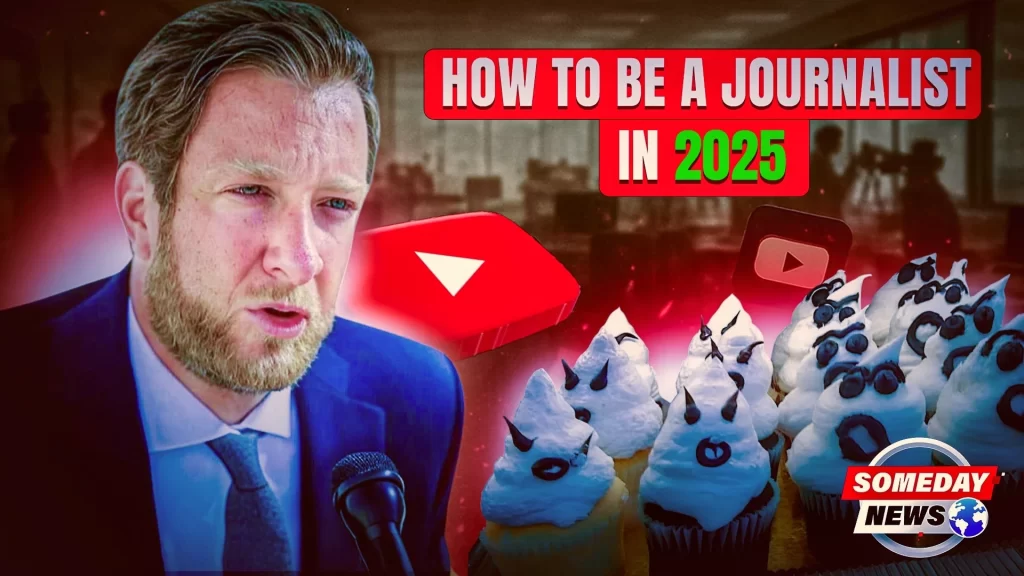
Have you ever wondered what it takes to be a journalist? Would you like to learn how to be a journalist? Here are 15 steps for you to become a hard-hitting Walter Cronkite level journalist in no time!
Step one: Pick a Target
Selecting vulnerable targets like private citizens, small businesses, or anyone who doesn’t agree with a specific political ideology, is the best way to maximize impact with minimal resistance. Exploiting defenseless people or entities for sensational stories is the gold standard of reporting.
Step 2: Start with Your Conclusion
Crafting a provocative conclusion without evidence, prioritizing narrative over facts. It’s imperative that you push a preconceived agenda, dismissing rigorous investigation as unnecessary.
Step 3: Prepare Your Context
This process involves curating biased context from echo chambers like X, Facebook, Reddit, etc. using vague “anonymous sources” or “people familiar with the situation” for credibility. Manipulating the narrative by selectively sourcing unverified claims to fuel outrage is crucial.
Step 4: Write the Story
The plan here is to push for fear-driven, solution-free stories that demand boycotts or public shaming, like labeling innocent actions a “hate crimes,” or any other inducing description and accusation. Focus on the outrage over constructive dialogue, amplify harm for engagement.
Step 5: Pick a Hot Topic
Find stories that are trending on issues like race or gender, exaggerating mundane details (e.g., white frosting as “white supremacy”). This inflates trivial matters into divisive controversies for relevance.
Step 6: Use Buzzwords
Buzzwords like “diversity” or “transphobia” are recommended to add emotional weight without substantiation. Include and overuse loaded terms to provoke reactions rather than inform, a special tactic to enhance your click-driven journalism.
Step 7: Find an ‘Expert’
Choos any biased or underqualified “expert” (e.g., a college roommate, your mechanic, or someone in the self-checkout line at the store) to lend false credibility. Really lean on dubious sources to prop up weak narratives to limit scrutiny.
Step 8: Cherry-Pick Stats
Utilize unverified statistics (e.g., “87% of bakers are transphobic”) while ignoring contradictory evidence like high Yelp ratings. This reflects the selective use of data to mislead audiences and bolster preconceived stories to enhance your story.
Step 9: Craft a Clickbait Headline
Write a sensational headline like “Baker’s White Frosting Ghost Cupcakes are Problematic!” to drive clicks, and pair it with inflammatory imagery. Prioritize attention-grabbing titles over accuracy to help fuel viral misinformation.
Step 10: Get the Target’s Point of View
Reach out to your target by sending a late-night comment request with impossible deadlines to claim the target “declined to comment.” These best practices undermine fairness you’re reporting for dramatic effect.
Step 11: Review the Headline
This emphasizes crafting exaggerated, psyche-shocking headlines like “Bakery Opposes They/Them Cupcakes!” to incite clicks. This inflammatory language provokes emotional responses, regardless of truth.
Step 12: Amplify the Outrage
Sharing stories across platforms like Nextdoor and encouraging mob actions (e.g., one-star reviews) is advised to sustain outrage. Using social media to promote escalating unverified claims elevates your destructive campaigns.
Step 13: Ignore Contradictions
Dismiss all contradictory evidence to maintain the narrative. Prioritize drama over balanced reporting and ignore inconvenient facts.
Step 14: Add a Viral Soundbite
Select or use AI to generate inflammatory soundbites. This is a simple step for you master the trend of distilling complex issues into simplistic, shareable clips to drive engagement.
Step 15: Repurpose for Clicks
Finally, repurpose the same story into sequels, podcasts, or TikTok challenges is advised to milk clicks indefinitely. It’s imperative that you recycle sensational content, prolonging harm for profit.
Conclusion
Clickbait, bias, and mob tactics prioritize virality over ethics, often at the expense of innocent targets. This necessary destructive unchecked power is how we save humanity!
There you have it, you are now a journalist!